


Sole Purpose 53
Off-Service Adventures:
When Residency Takes a Detour
Off-Service Adventures:
When Residency Takes a Detour
Welcome back to another week of Sole Purpose! This week, we’re diving into the fascinating (and occasionally bizarre) world of off-service rotations during residency—a topic that’s as essential as it is unique.
In my program, we take a slightly different approach to off service rotations compared to some residencies that front-load their off-service rotations. While the bulk of these rotations happen during intern year, we continue them in the 2nd and 3rd years. This means we tackle more complex surgical rotations once we’ve sharpened our surgical skills—a win-win, in my opinion! But of course, every program has its quirks and charms.
Currently, I’m off-service and loving life in my anesthesiology rotation—it’s been an absolute blast! Before this, I completed rotations in internal medicine and wound care. Later this year, I still have my Emergency Medicine and Infectious Disease rotations. Each experience taught me something valuable, and today, I want to share a few strategies I’ve used to make the most of my time off-service. Let’s get into it!

Showing That You’re Eager to Improve
There’s no doubt that, as a first-year podiatry resident, my goal is to become an excellent podiatrist in the clinic, hospital and OR. But I see these off-service rotations as more than just a break from foot and ankle cases—they’re golden opportunities to understand other specialties and figure out how to be a better team player.
One of my favorite questions to ask everyone I work with is: “What’s one thing you wish podiatry knew or did better when collaborating with your team?” (And yes, I ask this with genuine curiosity—not just to break the awkward silence during rounds!) These conversations have given me insights that I never would’ve thought to ask about otherwise.
Embracing the Rotation You’re On
It’s easy to fall into the trap of thinking a rotation is “boring” or a “waste of time,” especially when you’d rather be in the OR. But here’s the thing: the value of a rotation is what you make of it. Your attitude sets the tone, and if you approach it with curiosity and a willingness to learn, even the most unexpected experiences can be rewarding.

is what you make of it
Take my internal medicine rotation, for example. I was paired with the orthopedic hospitalists, which turned out to be a great fit. As a “hospitalist” resident for the month, I managed patients who had surgeries like the ones I perform and worked closely with a team that I regularly collaborate with for inpatient care.



The mornings were intense, packed with rounds, notes, and interdisciplinary meetings. But by early afternoon, I usually had my patients tucked in and ready for the day—or I was waiting for something to happen. (And no, I wasn’t just twiddling my thumbs—I promise!). I took on more patients than the internal medicine resident and happily had a list full of foot and ankle post ops and Spanish speakers.
If we wrapped up early or I was waiting around, I just wouldn’t call it a day. I headed down to the ortho trauma floor to see if the PAs needed help, had any Spanish speakers or if any attendings wanted an extra hand in the OR. Was it terrifying to put myself out there? Absolutely. But after a month away from the OR, I was itching to get back in and keep my surgical skills sharp.
That effort paid off. One day, I got to scrub in with an attending and his fellow (this attending turned out to be a very big deal at our hospital, as I later discovered). After standing perfectly still through hip fracture repairs and surviving a merciless anatomy grilling, I was handed the opportunity of a lifetime: a trimalleolar ankle fracture case. Not only that—they let me do it! I was equal parts terrified and exhilarated, but it was easily one of the most amazing moments of my residency so far. I still have no idea where I got the guts to put myself out there like that, but I am SO glad I did!
Setting Goals and Learning on Off-Service Rotations
For rotations like wound care and anesthesiology, I set specific goals for what I wanted to learn and how I could apply those skills to my practice.


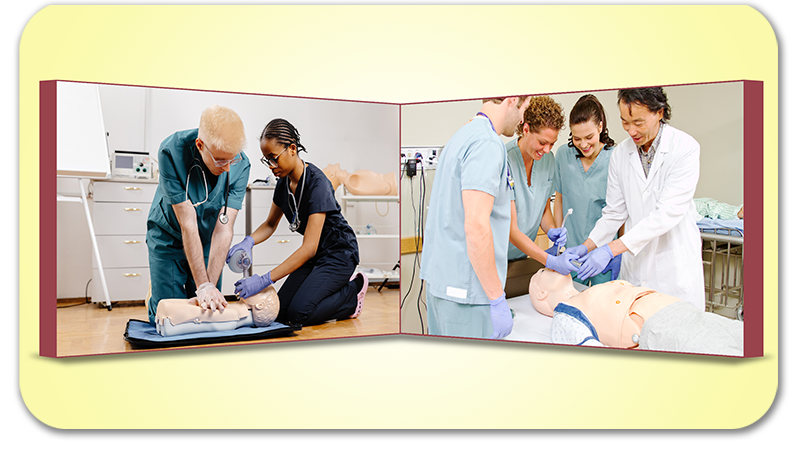
Take anesthesiology, for example. While I won’t be swapping careers to become an anesthesiologist anytime soon, I made it a priority to work on intubation. It’s a skill that could be invaluable in an emergency. I also practiced bagging patients—an essential part of CPR. Sure, it’s not glamorous, but saving lives isn’t exactly a bad skill to have in your toolkit.
On top of that, I let the anesthesiologist in charge of case assignments know about my interest in pediatric podiatry. As a result, I found myself paired with the Peds Ortho team almost every day. One particularly memorable day turned into a full immersion experience, with back-to-back Spanish-speaking clubfoot patients. My heart practically burst with excitement—I was translating, intubating, and even got the incredible chance to scrub in. The peds ortho attending was even kind enough to invite me and any of my co-residents to come join him in clinic sometime. I couldn’t stop smiling at the end of the day!
Wound care felt like an extension of podiatry. The principles were the same no matter where the wound was located: optimize the patient’s healing potential, reduce pressure and friction, and address any biomechanical factors contributing to the problem. This rotation gave me the chance to collaborate with podiatrists, wound care specialists, nurse practitioners, and clinic staff. I also worked on my comfort level debriding a wound. I tend to be more cautious, and this helped me find my confidence to really get that good bleeding base.
I also gained hands-on experience with wound care products, excisional debridement techniques, hyperbaric oxygen therapy and skin grafting. These skills will enhance my ability to treat patients and improve outcomes down the road.

Using Extra Free Time Wisely
This won’t apply to everyone—one of my friends had off-service rotations that were busier than my wildest on-service call weeks. But for me, off-service rotations generally meant a more relaxed schedule. I used this time to catch up on sleep (when possible) and focus on research projects that I often couldn’t prioritize during busier weeks.
Of course, being away from the OR for too long can make me twitchy. (Yes, OR withdrawal is a real thing!) But taking a step back to reset and recharge before diving back into the chaos of residency was a welcome change.
Conclusion: Making the Most of Off-Service Rotations
Residency is weird—there’s no better way to put it. Spending time off-service doing something completely unrelated to the career you just started can feel counterintuitive. But here’s the thing: every rotation, no matter how far removed it feels, has something to offer.
By leaning into the opportunity to work with different teams and embracing those “bonus learning moments,” you can turn even the most unexpected rotations into valuable experiences. Whether it’s mastering a skill you didn’t know you needed, connecting with other specialties, or simply taking a breather, these detours can shape you into a more well-rounded, adaptable physician. So, embrace the journey, even when it feels like a scenic route. You never know what you’ll discover along the way!


This ezine and the overall sponsorship of PRESENT Podiatry was made possible through the support of our sponsors:


Comments
There are 0 comments for this article