

Paths to Practice Perfection
Cyclical Topical Oxygen Therapy of Trauma-Induced Venous Leg Wounds in Diabetes – A Case Series
Cyclical Topical Oxygen Therapy of Trauma-Induced Venous Leg Wounds in Diabetes – A Case Series
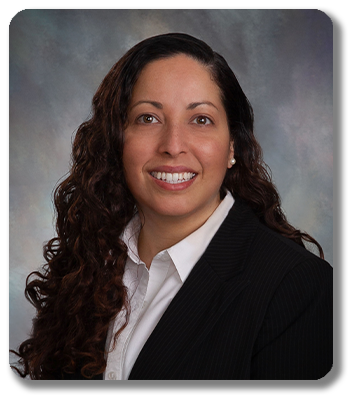
Lou Ann Hall-Matos, DPM, MS
Chief Podiatry Resident
St Joseph Regional Medical Center
Mishawaka, IN
Chronic lower extremity wounds are often induced by trauma and complicated by venous insufficiency and diabetes mellitus having a large impact on health, well-being, and the healing trajectory of these wounds. Multiple anatomical and physiologic factors reduce oxygen diffusion into wound beds resulting in delayed healing1-3. The partial pressure of oxygen (pO2) is an essential component of effective wound healing; however, levels can drop by up to 90% (100 mmHg to 10 mmHg) in wound beds due to prolonged periods of poor blood perfusion4. Essential wound healing processes, such as the upregulation of growth factors needed for maintaining vascularization, and enzymatic reactions responsible for skin healing can be maximized by raising the pO2 well above physiological levels (>100 mmHg). This can be achieved by using oxygen therapy.

While hyperbaric oxygen therapy has been established as a common method of oxygen delivery to wounds, it comes with challenges such as the high cost of treatments, limited indications for use and insurance reimbursement, claustrophobia, and travel time to facilities for lengthy daily therapy sessions.
Not only does cyclical-pressurized Topical Wound Oxygen (TWO2) therapy provide a solution to these drawbacks, TWO2 therapy also delivers far more oxygen availability for all wound healing mechanisms. It can be self-administered in the comfort of a patient’s home and provides the highest penetration of oxygen into the wound bed via an oxygen partial pressure of approximately 800mmHg. This extra O2 availability provides fuel for ATP synthesis and pushes the wound out of the inflammatory phase, restoring a robust healing pathway.

Case Series
This case series was conducted at the Veterans Affairs Illiana Healthcare System in Danville, Illinois involving 8 male patients with 10 chronic traumatic lower extremity wounds complicated by venous insufficiency and diabetes mellitus. The patients had an average age of 76, an average BMI of 27, and an average hemoglobin A1C of 8.

Prior to the use of cyclical-pressurized Topical Wound Oxygen (TWO2) therapy, patients averaged 11.3 weeks of failed healing when treated with the standard of care. However, when following a weekly wound care protocol which included clinic visits (sharp debridement, compression dressing application, and wound measurement) alongside home TWO2 therapy application 5-7 days/week for up to 90 minutes/session (per the manufacturer’s protocol), all patients achieved 100% healing/epithelialization. Additionally, the average time to healing was reduced to 8.1 weeks and all wounds remained closed/healed after an average follow-up of 27.5 months, demonstrating durable and sustained healing.

Conclusion
This retrospective review of 8 patients with 10 chronic lower extremity wounds induced by trauma and complicated by venous insufficiency and diabetes mellitus demonstrated the effectiveness of cyclical-pressurized Topical Wound Oxygen (TWO2) therapy on wound healing. When the failed standard of care therapies were replaced with TWO2 therapy, healing time was reduced to 8.1 weeks and 100% healing was achieved. These wounds remained healed over a 27.5 month follow up indicating sustained and durable healing.
References
- Frykberg RG. Topical Wound Oxygen Therapy in the Treatment of Chronic Diabetic Foot Ulcers. Medicina (Kaunas). 2021 Aug 21;57(9):917. doi:10.3390/medicina57090917
- Sun XK, Li R, Yang XL, Yuan L. Efficacy and safety of topical oxygen therapy for diabetic foot ulcers: An updated systematic review and meta-analysis. Int Wound J. 2022 Dec;19(8):2200-2209. doi:10.1111/iwj.13830
- Lavery LA, Killeen AL, Farrar D, et al. The effect of continuous diffusion of oxygen treatment on cytokines, perfusion, bacterial load, and healing in patients with diabetic foot ulcers. Int Wound J. 2020 Dec;17(6):1986-1995. doi:10.1111/iwj.13490
- Fries RB, Wallace WA, Roy S, et al. Dermal excisional wound healing in pigs following treatment with topically applied pure oxygen. Mutat Res. 2005 Nov 11;579(1-2):172-181. doi:10.1016/j.mrfmmm.2005.02.023
Follow this link
- Frykberg RG, Andersen C, Chadwick P, et al. J Wound Care. 32(S8B):S3-30.
Follow this link
Do you have questions regarding TWO2 Therapy?
Connect with AOTI
As with any case study, the results and outcomes should not be interpreted as a guarantee or warranty of similar results. Individual results may vary depending on the patient’s circumstances and condition.
NOTE: Specific indications, contraindications, warnings, precautions, and safety information exist for this product and therapy. Please consult a clinician and product instructions for use prior to application. Rx only.

Comments
There are 0 comments for this article