

Sole Purpose 31
Being Diabetic
Being Diabetic
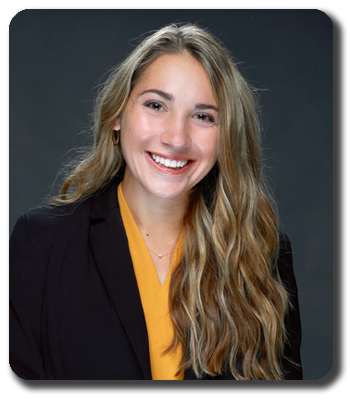
Hi everyone, and happy Diabetes Awareness Month! As podiatrists (or future podiatrists), we play a key role in our diabetic patients' lives—one step at a time (pun intended). Today, I’d like to share my personal journey living with diabetes and offer some tips and tricks that have worked for me.
First, a quick disclaimer: I’m incredibly fortunate to have the resources and support needed to manage my diabetes successfully. My Hemoglobin A1c is currently 5.1, and I don’t take insulin—just a good old-fashioned strict diet and regular exercise. But let’s be clear: I’ve had some serious advantages. I have a medical background, supportive parents (one of whom is in healthcare), access to healthy food, and doctors who communicated with me in the language I understood best. I’ve also had the benefit of long-established healthy eating and exercise habits.
No two diabetic patients are the same, and it’s crucial to remember that nobody chooses to be diabetic—just like nobody chooses to have cancer. Even if someone made lifestyle choices that contributed to their diagnosis, nobody would actively choose to have diabetes. It’s a complex disease, and blaming patients for their condition only oversimplifies the issue.
I was initially diagnosed with Type II diabetes at the age of 19—quite the surprise, let me tell you. My college roommate rushed me to the ER for a ruptured ovarian cyst (which, by the way, OUCH), and when my labs came back, the doctor casually mentioned that my blood test indicated that I was diabetic. No referral to a primary care physician, no further explanation—just a vague "it’s probably because you're Hispanic and have a family history of diabetes."
At the time of my diagnosis, I was a college cross-country and track athlete, running 40-60 miles a week, weighing all of 120 pounds at 5'6". The news felt like it came out of left field. A few weeks later, I saw my OBGYN for a follow-up, and she put me on metformin, telling me to eat healthy, exercise (which I was already doing, thank you very much), and to limit my carb intake. I misinterpreted that advice as "you need to lose weight and go carb-free."


So, I changed my diet, cut out bread, and eliminated anything with added sugar. I was convinced that my "bad diet" was to blame for my condition (despite my sweet tooth, I have ALWAYS limited how many sweets I eat and had a very balanced diet). I started taking metformin 500 mg twice daily, which led to some extreme GI upset. I started losing weight quickly, felt miserable, and became scared to eat anything. I began feeling lightheaded during morning practices, barely ate, and dreaded taking metformin.
Pro Tip: The extended-release metformin takes away any GI side effects
When I returned to the OBGYN’s office three months later, my A1c hadn’t improved, and I was physically and emotionally drained. At 19, I felt like my body had betrayed me, and I started to feel a bit depressed. Having a "broken body" at that age was tough to swallow. She noticed my weight loss and referred me to a dietitian, who was just as puzzled by my Type II diabetes diagnosis as I was. She quickly recognized that I was struggling with hypoglycemia and was under-fueling my body. She educated me on carb counting and how to properly fuel my body while keeping my blood sugar levels stable.
Pro Tip: When counting carbs, the fiber in bread can cancel out some of the carbs. So, if diabetic patients are afraid of bread like I was, they can opt for high-fiber bread. This decreases the net carbs your body processes. For example, 10g of carbs with 5g of fiber means you're only consuming 5g of net carbs.
I also attended a diabetes management class, where I learned about checking my blood sugar, counting carbs, and long-term diabetes management. Honestly, it was the most helpful referral I ever received. And yet, I still hadn’t seen a primary care physician about my diagnosis. The only input I got from my PCP was a thumbs-up through an instant message after I sent them my ER note via the patient portal. I was never referred to an endocrinologist either, as I was simply told, "A lot of Hispanic people just have diabetes, even if they’re normal weight and have healthy habits." To this day, that comment still makes my blood boil, as it was unfair and insensitive and made me feel like my doctor didn’t care.




About a year after my diagnosis, I managed to get my HgA1c below 6.5, was taken off metformin, and could control my blood sugar with diet and exercise. But, as I mentioned earlier, I was a highly motivated patient with solid habits and all the right support systems in place.
Fast forward almost four years, halfway through med school, my diagnosis was changed to MODY—Maturity Onset Diabetes of the Young, or monogenic diabetes. This is a subtype that’s neither Type 1 nor Type 2, and 90% of people with MODY are misdiagnosed as Type 1 or, more frequently, Type 2. MODY is caused by a genetic mutation that predisposes a person to diabetes, regardless of age, weight, or lifestyle. People with MODY are often of normal BMI and are diagnosed under the age of 25. Diagnosis requires genetic testing, and treatment is different from that of Type 1 or 2 diabetes. MODY patients typically don’t respond to insulin or other diabetic drugs in the same way.1
I’m fortunate that my treatment involves close blood sugar monitoring, maintaining a healthy diet, regular exercise, and routine labs to check my HgA1c.
While I like to think I’m pretty in tune with my body, mistakes still happen. (For a prime example, check out my "Sole Purpose 3 - Embarrassing Moments in Externships" article—that’s the ONLY time my blood sugar plummeted during clinic.) But honestly, if we’re keeping score, I’ve been diabetic for about 7 years now (that’s roughly 2,555 days), and my blood sugar has only crashed twice—so I’d say that’s pretty freaking awesome!
Once again, I feel fortunate to have been set up for success, and I’d love to share some personal tips and tricks that I’ve gathered over the years. I’ll be sharing some of my own diabetic trips, tricks, and disclaimers from my experiences as both a person living with diabetes and as a podiatrist!


Some Diabetic Tips and Tricks and Disclaimers
Continuous Glucose Monitors (CGMs) ROCK! Mine was incredibly helpful, especially during my initial diagnosis and again in my third year when I was trying to manage my blood sugar during those long days in the OR and on rotations. That said, even with great health insurance, THEY ARE SO EXPENSIVE! With my coverage, they cost around $75 each, and I needed a new one every two weeks. And let’s not even talk about the possibility of it getting accidentally pulled out—like when I bump into something or, in my case, while getting dressed. Then you must message or call the CGM provider to get a new one sent out and provide proof that it was “viciously torn from your body.”
I usually stick mine on the back of my arms and rotate between them. Putting it on my lower stomach would rub against my jeans and the inner thigh option?... Even worse than the lower stomach.
Here are some tips:
- Both FreeStyle Libre and Dexcom offer free samples on their websites that patients can try for a limited time. Additionally, reaching out to the pharmacy department or diabetic educator at your hospital can be SO helpful—they often have discount codes or deals for patients on continuous glucose items.
- These patches that you place over the sensors are a lifesaver! They helped keep the monitor in place so it wouldn’t rip out when I took off my sweatshirt. I recommend them to any patient who doesn’t already have them. Here's the link: https://a.co/d/9aT9ucB.
- If your patient complains that their CGM beeps a lot in the middle of the night, it could be because they’re sleeping on top of the monitor, causing it to misread as low. I noticed I was getting a TON of low readings and beeping at night, but I had none of my usual symptoms. It turned out it was just because I was sleeping on top of my arm with my monitor and putting pressure on the monitor.
- The glucose monitors provided to patients at the hospital rarely have the battery properly installed—the battery is placed inside but has a small plastic strip pulled off. I’ve fixed the batteries in “broken” glucometers for a LOT of patients!
- When I’m on long runs, I don’t take dextrose tabs. One stick of honey has about the same carbs as two dextrose tablets and is way less chalky. Plus, I find it easier to manage during workouts!
Other Considerations
As providers, we can sometimes become desensitized to diabetes—even I find myself falling into this trap despite being diabetic. This is especially true with our more stubborn patients who just REFUSE to make diet changes, take their medications, or collaborate with us to achieve better blood sugar control or wound management. I want to remind everyone that nobody chooses to be diabetic. You could have the WORST, most unhealthy diet in the world and still not have diabetes, while someone like me—who was incredibly healthy at the time of diagnosis—can be living with it. It's a significant diagnosis and a massive adjustment, even for someone like me who ate well, exercised regularly and had medical knowledge and supportive parents. No one wants to be sick, even if they’re making choices that lead to illness.
Additionally, there’s a lot of stigma associated with Type II diabetes, often perceived as a “fat person disease” or a result of neglecting one's health. While that can sometimes be the case, it’s crucial to recognize the substantial genetic basis for diabetes. Even a small amputation—like a distal aspect of a toe—can serve as a constant reminder for patients that they aren’t taking care of themselves, leading to feelings of failure. For some, it’s a healthy wake-up call to prioritize their health; for others, it triggers a shame spiral and a sense of losing control over their well-being. I felt a lot of shame with my diagnosis, convinced that at 19, I was limiting my future because I just “couldn’t” control my health. It’s essential to approach these patients with a mindset of partnership in their care, rather than as someone reprimanding them. This can make a HUGE difference!

Language barriers and medical education play significant roles in this issue. Taking the time to explain to patients why they have a wound and how glycemic control can aid in healing and prevention can truly change the game. Instead of dismissing a patient with an A1C of 12 as “lazy,” let’s strive to understand their situation.
As a former medical translator, I can't stress enough: PLEASE get a medical translator for non-English-speaking patients. How can we expect our patients to improve if they're given instructions in a second language that they may not fully comprehend? “Dolor aquí?” and a simple “hola” when you walk in won’t suffice for a fully translated office visit where the patient truly understands their care. I could go on about this topic for many articles, but let’s keep it simple: if you found yourself in a place with only okay second language comprehension and no medical training, wouldn’t you want the doctor to speak to you or get someone or call someone who can talk to you in a language you understood best?
In conclusion, I now view my diagnosis of diabetes as a blessing that led me to become a podiatrist and be part of an amazing corner of medicine. It has given me a unique way to connect with my patients and enhance their care. However, I didn’t always feel this way about my diagnosis. If I could, I would give my 19-year-old self a big hug and tell her that everything would eventually get better and that she’d get everything under control.
If this article teaches you anything, let it be this: please think of me when you’re speaking to your next diabetic patient. A little empathy can go a long way—after all, understanding the patient’s journey can make a real difference in their care.


Overall sponsorship of PRESENT Podiatry was made possible through
the support of our sponsors:



















Comments
There are 0 comments for this article