
Practice Perfect 939
New Peripheral Arterial Disease Guidelines:
A Summary
New Peripheral Arterial Disease Guidelines:
A Summary

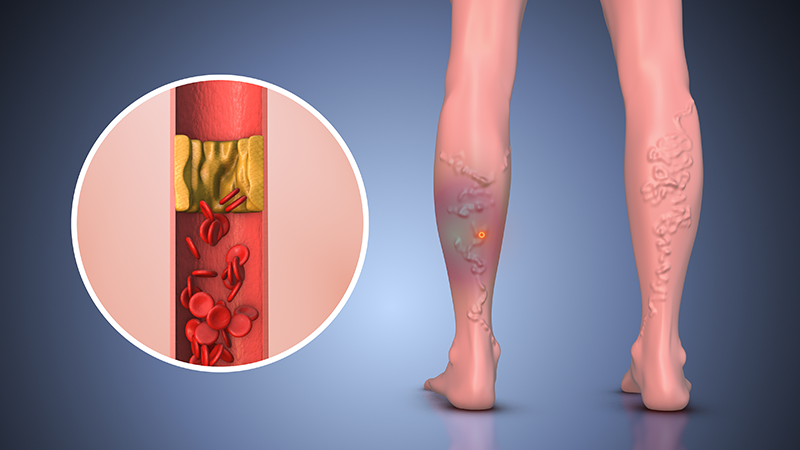
Recently, I was informed by a colleague about new guidelines on the management of peripheral arterial disease (PAD) released by the joint American College of Cardiology/American Heart Association.1 Given the importance of PAD for podiatrists a quick high-yield summary of their recommendations is in order. Let’s get right to the highlights!
First, they recognize 4 clinical subsets of PAD:
- Asymptomatic PAD - may have functional impairment
- Chronic Symptomatic PAD – clarification
- Chronic Limb Threatening Ischemia (CLTI) – represents ischemic rest pain and ischemic ulceration.
- Acute Limb Ischemia (ALI) – sudden decrease in arterial perfusion that affects the limb.

Patients at increased risk for PAD:
- Age > 65 years.
- Age 50-64 years with risk factors: DM, smokers, dyslipidemia, chronic renal disease, family history.
- Age < 50 years with DM + 1 of the other risk factors.
- Atherosclerotic disease in another area (carotid, subclavian, renal, mesenteric, AAA).
- Consider PAD-related risk amplifiers, including social determinants of health (all of the above stated risk factors plus depression, chronic stress, lower income, decreased accessibility to healthcare, poor health insurance, etc).
Moving on to diagnostic testing:
Recommendations regarding resting ankle brachial index (ABI).
- Recommendations regarding resting ankle brachial index (ABI).
- Perform ABI with or without pulse volume recording for patients with history or physical exam findings suggestive of PAD.
- Screening with ABI is recommended as a screening method in patients at increased risk.
- Report ABI as abnormal (<0.90), borderline (0.91 – 0.99), normal (1.0 – 1.40), or noncompressible (ABI > 1.40).
- Order advanced testing for patients with CLTI considering undergoing revascularization (duplex ultrasound, CT, MRA, angiography).




Medical therapy recommendations for patients with PAD
- Medication options for patients with symptomatic PAD: Clopidogrel 75mg daily or aspirin 81mg-325mg daily or rivaroxaban 2.5mg daily + aspirin 81mg daily.
- Antiplatelet therapy (single or dual) is recommended after revascularization (rivaroxaban 2.5mg daily + aspirin 81mg daily).
- In patients with claudication cilostazole will improve symptoms and walking distance (but avoid in patients with congestive heart failure). Pentoxifylline is not recommended for claudication.
- Exercise therapy is recommended to reduce claudication symptoms.
- Preventive foot care is recommended (obviously!!).
- High intensity statin therapy recommended with an aim to reduce LDL-C levels > 50%.
- In patients with hypertension maintain BP at < 130mmHg systolic and < 80mmHg diastolic with ACE inhibitors (ACEI) or angiotensin-receptor blockers (ARBs).
- Smokers should stop smoking (again, obviously!).
- In patients with diabetes, GLP-1 agonists and SGLT-2 inhibitors reduce the risk of major adverse cardiac events.
- Diet recommendations: vegetables, fruits, legumes, nuts, whole grains, and fish.
Surgical therapy recommendations for patients with PAD
- Asymptomatic PAD should not receive surgery unless it is to assist other procedures.
- In patients with claudication not responsive to medical therapy revascularization is an option.
- Autogenous veins remain superior to prosthetic grafts for patients with claudication and femoropopliteal disease.
- For patients with CLTI a multispecialty care team is best.
- In patients with ALI and a salvageable limb, revascularization with or without adjunctive procedures is indicated to prevent amputation.
- Patients with ALI who undergo revascularization should be observed for compartment syndrome to watch for reperfusion injury.
The guidelines make additional recommendations and provide levels of the current research evidence, so those who work with patients with PAD would greatly benefit from a more detailed read than what is capable here. Enjoy reading the 98 pages!
Best wishes.

Jarrod Shapiro, DPM
PRESENT Practice Perfect Editor
[email protected]


- Members WC, Gornik HL, Aronow HD, Goodney PP, Arya S, Brewster LP, Byrd L, Chandra V, Drachman DE, Eaves JM, Ehrman JK. 2024 ACC/AHA/AACVPR/APMA/ABC/SCAI/SVM/SVN/SVS/SIR/VESS Guideline for the Management of Lower Extremity Peripheral Artery Disease: A Report of the American College of Cardiology/American Heart Association Joint Committee on Clinical Practice Guidelines. J Am Coll Cardiol. 2024 Jun 18;83(24):2497-604.
Follow this link
Overall sponsorship of PRESENT Podiatry was
made possible through the support of our sponsors:

















Comments
There are 0 comments for this article