
Sole Purpose 24
Crafting a Medical School CV: Show Your Journey of Passion and Purpose
Crafting a Medical School CV: Show Your Journey of Passion and Purpose
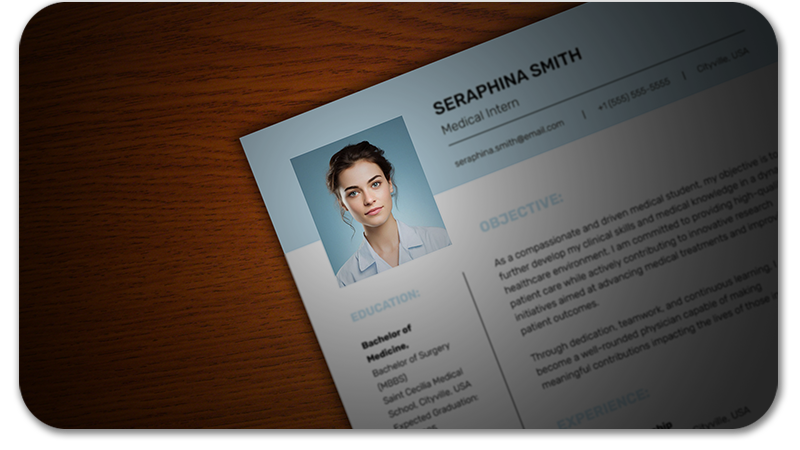
I recently have been getting some questions about how to build your CV throughout medical school. So today, let's talk about how I curated my CV.
First and foremost, your CV should scream 'YOU.' Mine's chock-full of adventures in Spanish interpreting, community outreach with the Hispanic population, and dabbling in organizations like AAWP (American Association for Women Podiatrists)1 and She’s a DPM.2 Why? Because they are organizations and activities that I am truly passionate about and reflect who I AM.
Additionally, I have a deep love for research. It feels like unraveling medical mysteries, albeit without dramatic background scores. I've also volunteered for numerous events to engage with prospective students and promote podiatry, reflecting my passion for this field and my desire to contribute to it actively.
Before you assume this is a humblebrag, let me clarify—I'm sharing this to illustrate how I constructed my CV. I don't expect everyone's CV to mirror mine; engage in activities that truly inspire you! Let's delve into the intricacies of crafting a CV, one passion project at a time.

1st Year
In my previous articles, I've discussed my early struggles in medical school, including a stumble that led to me failing an exam my first semester. I've always been someone who takes on a lot. During undergrad, I juggled being a cross country and track athlete, double majoring, part-time work, research, and volunteering at a hospice center—it was a hefty load.
Reflecting back, I didn't pile on ALL those activities until junior year. As a college freshman, my schedule was more manageable with just sports and 14 to 16 credits. By senior year, I had built up to tackling a whopping 24 credits per semester (a cautionary tale against double majoring and aiming for a four-year graduation).
I bring up these details not to brag but to offer a viewpoint. Even though I knew I could handle a busy schedule, I approached my engagement in medical school with caution. Initially, my focus was entirely on academics during the first semester. Failing an exam was a wake-up call, highlighting the need to refine my study methods and manage the workload effectively.
It wasn't until the end of my first year's second semester, when I felt more at ease and confident, that I began delving into research and getting involved in clubs. By my second year, I even stepped up as a club president.




The Summer
There are a couple of ways to approach the summer break in medical school. Let me start by saying, I had a blast during my summer between the first and second year, despite its brevity. Thanks to COVID and some extra material, my entire cohort had a shortened summer of about 6 weeks.
During those precious weeks, I managed to squeeze in quite a bit of adventure. I kicked it off with a trip to Washington, where I ran, swam in lakes, and soaked up the sun with one of my best friends. Then came the humbling backpacking trip through Yosemite with my boyfriend—who quickly showed me the limits of my athletic prowess. We also camped in Mammoth for a bit of rugged relaxation.
Of course, I couldn't resist the allure of San Diego, my hometown. Beach days, quality time with friends and family, and a much-needed mental recharge were all part of the agenda. One of my esteemed faculty members shared how she spent her summer backpacking through Europe, a dream I admired but couldn't quite swing financially.
Amidst all the fun, I also got down to business. I snagged a summer research fellowship through Western, conducting an original project with a classmate and faculty mentor—earning some cash along the way. I kept my brain in gear with light review sessions, especially for the looming subjects like pathology, microbiology, and pharmacology. It was all about staying disciplined, even if it meant squeezing in 30-60 minutes of review between beach visits. Volunteering was on my list too, though COVID added in some difficulty and a boatload of PPE. Despite the challenges, I made the most of that short but action-packed summer break.


Start of 2nd Year
By the start of my second year, I had dived deep into Sketchy Microbiology3, tackled the first three chapters of Pathoma4, and brushed up on some pharmacology.3 Looking back, I admit it might have been a tad overzealous to start so early, but my anxiety tends to bow down to preparedness.
My plate was quite full—I served as the president of Western's AAWP club, participated in a few other clubs, wrapped up my part of a summer research project (waiting eagerly for those follow-up radiographs!), and joined the Student Ambassador Leadership Team, giving tours and chatting with prospective students.
As COVID restrictions eased and life returned to in-person normalcy, I seized the chance to volunteer on weekends. By December, I had kicked off another research project, scoring an additional publication in my school's graduate research journal. Spring rolled in with yet another research endeavor, all while gearing up for the APMLE Part 1. It is important to note that I did ZERO research project work while in dedicated study time for boards. My entire being and focus was on making sure I passed the APMLE Part 1.
3rd year
This phase marked my deep dive into research. I embarked on a fascinating project with my dean, delving into running my own statistics—a daunting yet incredibly fulfilling endeavor. As I detailed in my previous articles "From Rookie Mistakes to Glowing Recommendations: Surviving and Thriving in 3rd Year Clinical Rotations - Part 1 (SP18) and From Rookie Mistakes to Glowing Recommendations - Surviving and Thriving in 3rd Year Clinical Rotations - Part 2 (SP19)," my schedule during the third year varied widely depending on the rotation. I managed to squeeze in significant research during radiology and telemedicine rotations but had little time for it during orthopedic surgery rotations. Interestingly, many of my friends found research opportunities simply by asking during their rotations.
In my article "The Power of Email" (SP15), I emphasized the impact of effective communication via emails. This strategy landed me an exciting role with She’s a DPM—a podcast I adore. A simple email led to me becoming the first student guest on the show!5 Additionally, I took on the role of editor for my school's graduate medical journal, diving into editing duties midway through the third year.
By this stage of medical school, my time management skills were finely honed. I knew when to say yes and when to pass, even amidst the whirlwind of rotations and study demands. Although I must admit, I still tend to say yes, a bit too eagerly, often sacrificing my sleep.
One notable event was attending the annual ACFAS Conference that year. While I didn't present any research, the conference provided invaluable networking opportunities. I connected with residents and residency directors at the student/residency dinner, setting the stage for future collaborations and learning experiences for externships and residency interviews.
4th year
I delved deeper into national associations like APMA and ACFAS, recognizing the immense value of networking. However, I must confess, that my research output during externships and while prepping for the APMLE Part 2 was rather dismal.
At the annual APMA Scientific Sessions conference, I proudly represented Western in the student bowl and seized the chance to reconnect with residents, faculty, and residency directors from my earlier externships. On the volunteering front, I took up translating duties—it was as simple as noticing a language gap in clinic forms, offering to create Spanish versions, and bridging that communication barrier. It was a win-win for everyone involved.
Much of my CV-building journey involved spotting needs and stepping in to fill them, whether it was through volunteering or helping via a well-crafted email. For instance, my passion for podopediatrics after a pediatric-focused rotation led me to connect with ACFAP (American College of Foot and Ankle Pediatrics)6,7, where I was given the opportunity to dabble in managing their social media.
Post-residency interviews, I doubled down on volunteering, relishing the chance to guide first and second-year students and share insights from my own journey. A highlight was presenting a research poster at the ACFAS conference and soaking in the wealth of knowledge from engaging lectures and networking with familiar faces from my externships.
Lastly, I embarked on a new adventure—writing Sole Purpose for PRESENT! It's been an absolute joy to share my thoughts and experiences with all of you.
In hindsight, I don't think I did anything particularly extraordinary to build my CV during medical school. I started off slowly, prioritizing my studies, and simply embraced opportunities as they came my way. Looking back, there's not a single activity or research project I regret investing my time in.
A crucial reminder is to prioritize self-care—get enough sleep and remember that your classes or rotations should take precedence when it comes to building your CV. Despite being busy, I always made sure to stay connected with friends and family and carve out time for my passions. Wishing everyone the best of luck on their journey!


- AAWP:
Follow this link - She’s a DPM:
Follow this link - Sketchy Medical:
Follow this link - Pathoma:
Follow this link - She’s a DPM episode:
Follow this link - ACFAP:
Follow this link - ACFAP Instagram:
Follow this link
Overall sponsorship of PRESENT Podiatry was
made possible through the support of our sponsors:


















Comments
There are 0 comments for this article